



Built by people with skin in the game across data, ecosystems, and market strategy.
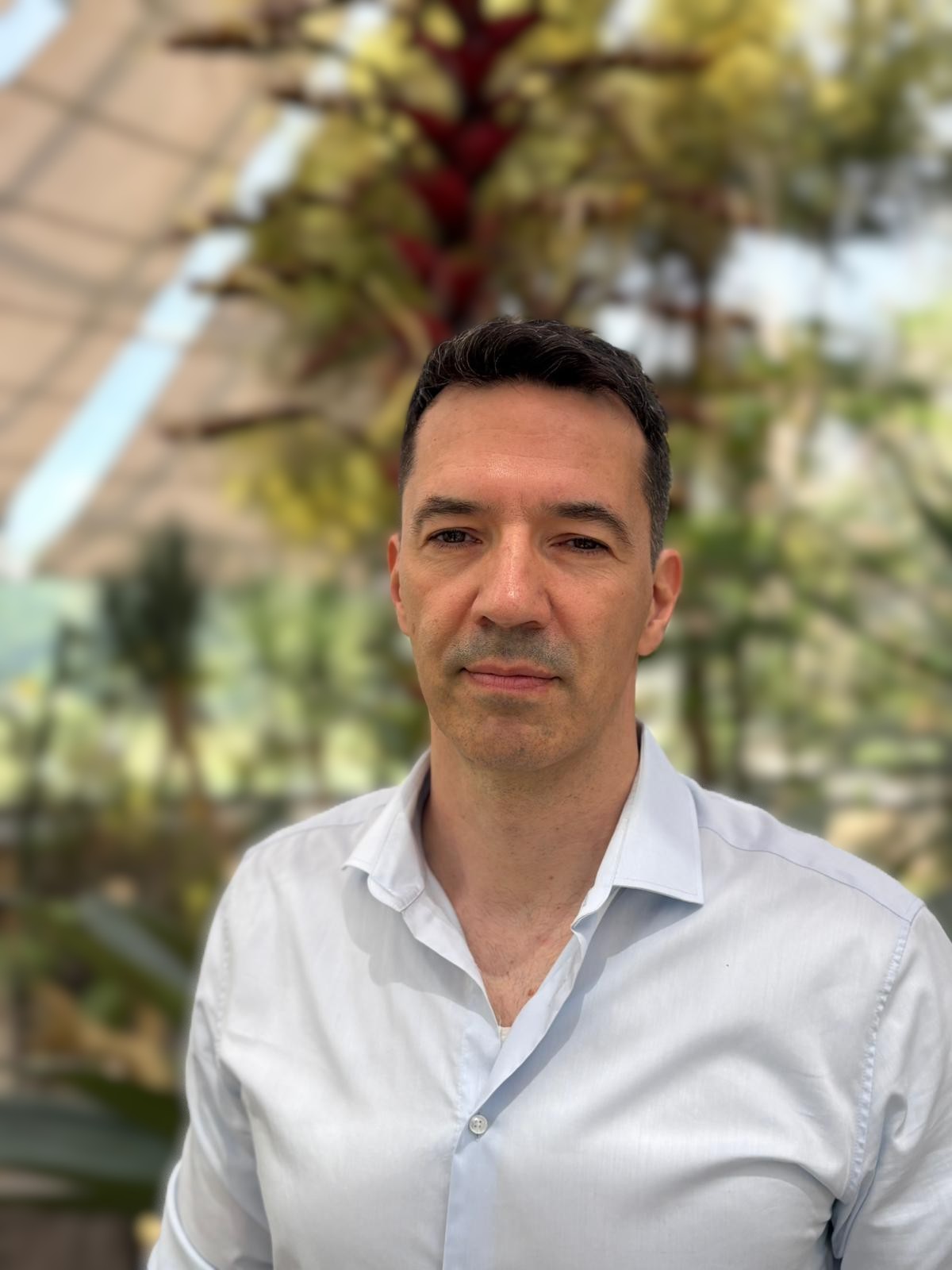
A PhD in computer science and seventeen years in corporate IT across technical and commercial roles. Hendrik brings that depth to TLT with a straightforward conviction: the most important design questions right now is who the future is actually built for.
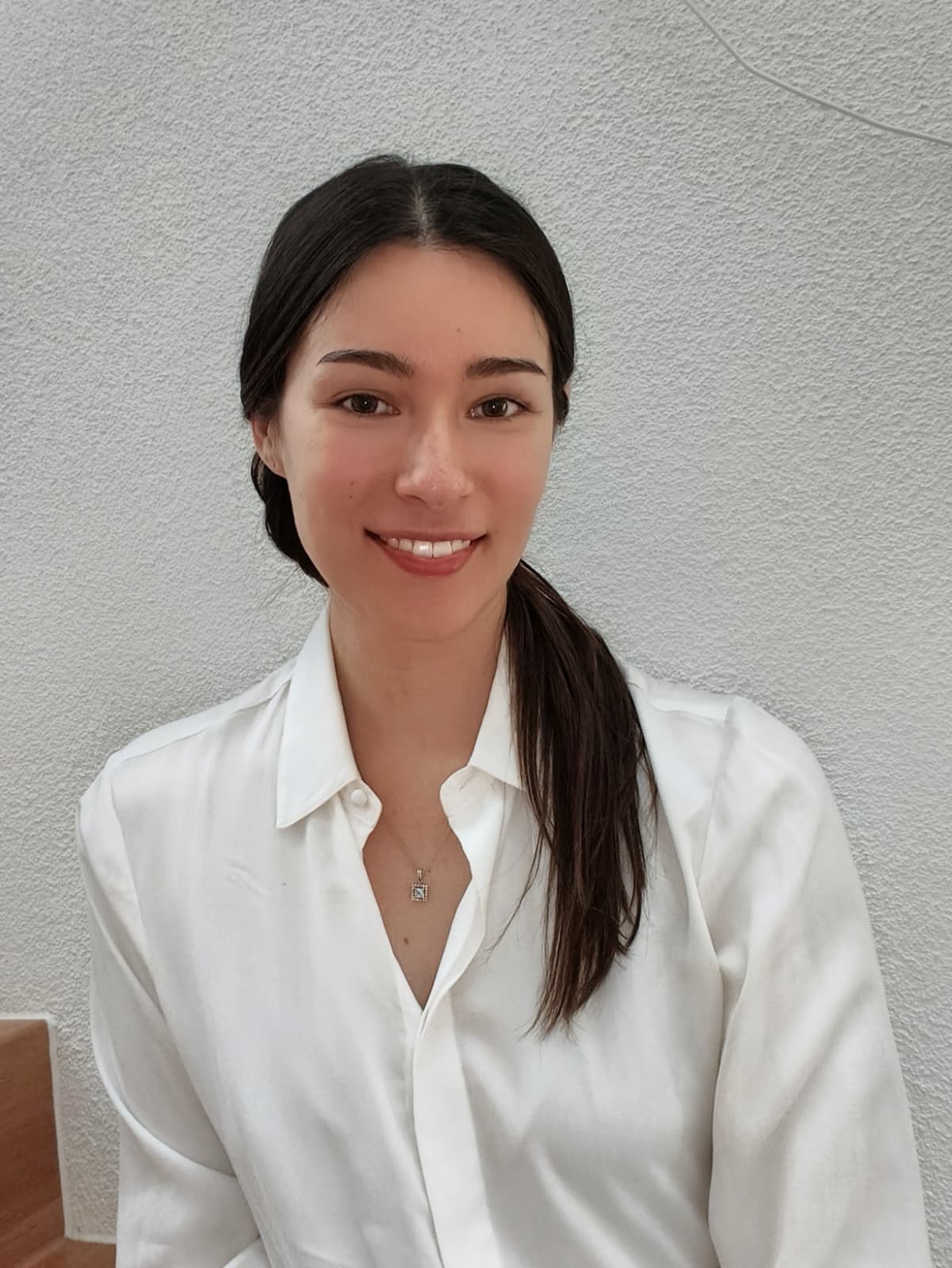
Layla brings the natural science rigour that keeps TLT honest about what food does to our ecosystems. Her work spans ecosystem dynamics, biodiversity in corporate settings, sustainability science, and the environmental dimension of what ends up on a plate.
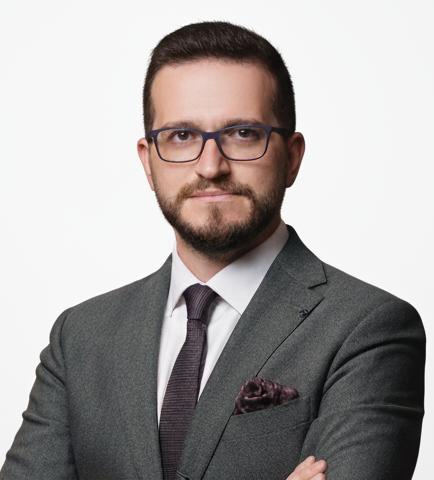
Onur has a long track record of corporate GTM and international organisation building. His network extends to investors as well as corporate stakeholders to further TLT's mission. He supports TLT on its launching and growth path for B2C as well as B2B.
Every meal logged shapes what gets built next. The community doesn't just use TLT. It co-designs it. Anonymously. Collectively. Without giving up ownership of a single data point.
Peer review isn't a badge to us. It's a baseline.

Lucerne University of Applied Sciences grounds TLT's environmental methodology in peer-reviewed science. It supports our approach to sustainability as it reflects real ecological complexity, not marketing simplification and verifies its economic viability.

InnoSuisse endorsed TLT's business model and market approach. It is a validation at the foundation of everything we're building, and one we're actively extending with a second grant in preparation.
Where We Are
Not moving fast and breaking things. Moving deliberately and building them right.
Foundation first: ethical guidelines, data ownership framework, core tracking methodology. InnoSuisse endorsed our approach. HSLU joined to ground the ethical side of our methodology in economic viability. The infrastructure most startups skip, we started there.
v1 on iOS and Android. Health score, sustainability score (combining land use, water, and GHG footprints) plus nutritional rules, fiber, plant & animal protein, micronutrient tracking, and food metrics. All in production.
Building the community that makes everything else meaningful. My Kitchen & Community Kitchen to create and share delicious, yet thoughtful meals, anonymously contributed, collectively useful: live. Turning individual users into a movement large enough to generate genuine collective insight.
Smart food personalisation, deeper individual metrics, wearable integration. And a biodiversity impact score - a fourth ecological pillar measuring whether your food choices contribute to ecosystem regeneration or loss. Biodiversity loss tells a different story and deserves to be heard clearly, not averaged away. Unique.
Third parties, like researchers, food producers, public institutions, who want to innovate with community data earn access by contributing back. Supply chain transparency. Public sector impact. A food system accountable because the data describing it belongs to the people it affects.
Elinor Ostrom showed that shared resources can be governed sustainably by the communities that depend on them. Her principles are widely seen as foundational to open source software. TLT applies the same logic to data.